The Science of Glass Packaging: Transforming Your Brand Using Premium Glass Bottles
The art of glass packaging read now provides brands with an exceptional opportunity for distinction. By embracing sustainable methods, glass bottles not only enhance visual appeal but also align with eco-conscious consumer values. Their inherent qualities, encompassing recyclability and material safety, reflect a dedication to quality standards. As companies move through this changing environment, comprehending the wide-ranging benefits and complexities of glass packaging proves vital for enduring achievement. How are brands leveraging creative approaches to capitalize on these benefits?
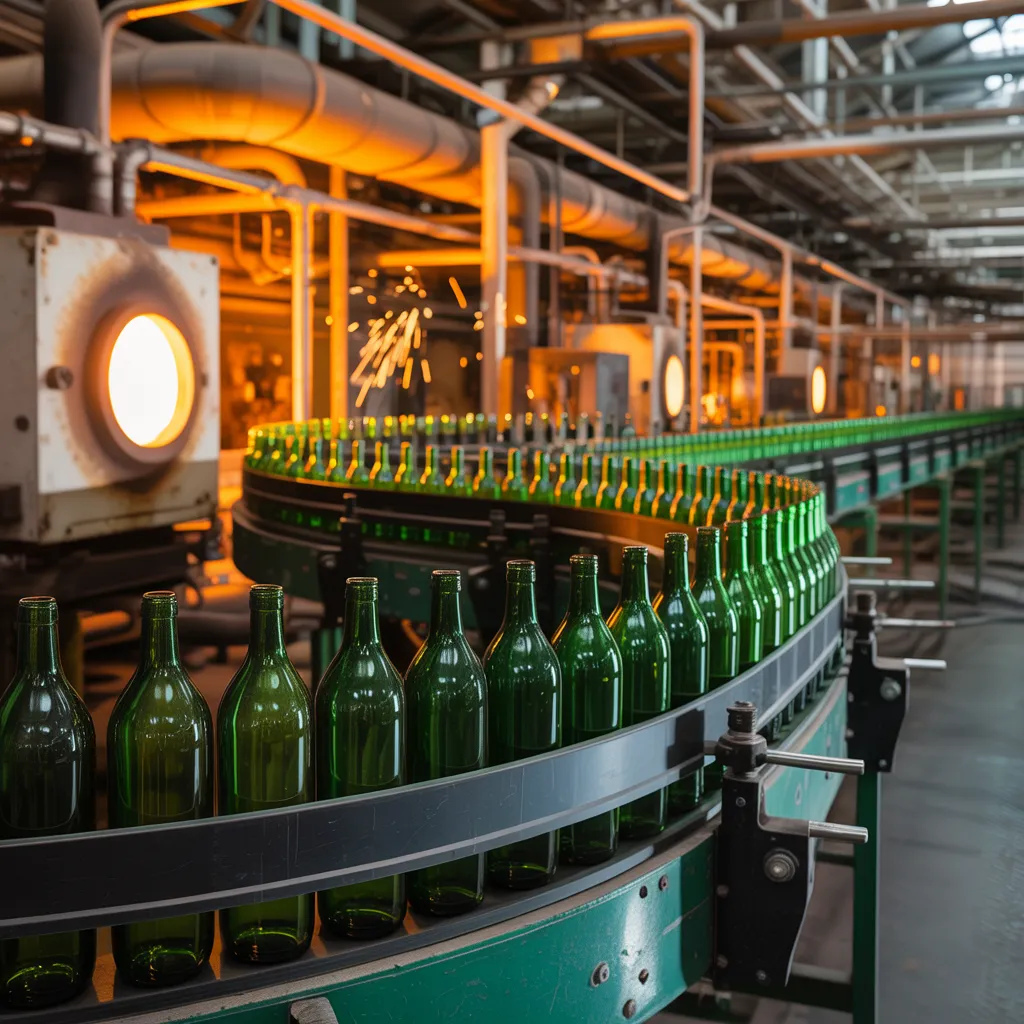
What Makes Glass Packaging the Right Choice for Your Brand
Opting for glass packaging can greatly enhance a brand's overall perception and sustainability efforts. Businesses that select glass demonstrate a pledge to superior standards and exceptional product encounters, appealing to discerning consumers who appreciate aesthetic and functional attributes. Glass delivers a classic and refined aesthetic, contributing to a brand's visual identity while providing a sensory experience that plastic cannot match.
In addition, glass packaging creates a sense of cleanliness and security, as it is free from dangerous compounds frequently associated with plastic packaging. This decision can appeal to environmentally conscious consumers who link glass with environmentally sound decisions. In addition, its robust construction supports reuse, further reinforcing a brand's dedication to sustainability.
In a marketplace growing more conscious of ecological responsibility, embracing glass packaging solutions can set a brand apart building consumer loyalty and strengthening brand trust. In the end, this strategic choice positions brands as leaders in sustainability and quality, aligning with modern consumer values.
The Environmental Advantages of Glass Bottles
Glass containers provide considerable sustainability benefits that distinguish them from other packaging materials. They are completely recyclable, contributing to a closed-loop economy where resources can be continuously repurposed without compromising quality. This characteristic considerably decreases the demand for raw materials, thereby minimizing resource extraction and energy usage associated with the production process.
Moreover, glass packaging is inert, meaning it does not leach harmful chemicals into its contents, ensuring more secure consumption. In contrast to plastic, glass does not promote microplastic pollution, which is a rising environmental problem.
Glass bottle production similarly results in fewer greenhouse gas emissions compared to plastic alternatives. Thanks to innovations in manufacturing processes, energy efficiency has improved, additionally minimizing the carbon footprint associated with glass production.
Creative Designs That Elevate Glass Packaging
Innovative patterns in glass packaging are transforming how items are presented. Distinctive forms and designs not only enhance functionality but also attract consumer attention. Additionally, vibrant color schemes further enhance the visual impact, making glass containers stand out on shelves.
Remarkable Shapes and Structures
Creative designs in packaging made from glass not only improve visual attractiveness but also serve a critical function in brand differentiation. Unconventional forms and structures can craft remarkable experiences for buyers, enabling products to capture attention on crowded shelves. To illustrate, non-symmetrical bottles or structured geometric forms can spark interest and invite engagement. These unconventional forms often complement a brand's character, reinforcing its message and values. Furthermore, distinctive structures can elevate performance, such as more convenient gripping or optimized pouring. Businesses that commit to original glass design concepts signal commitment to quality and sustainability, drawing in eco-aware buyers. By championing innovation in their packaging strategies, businesses can build stronger bonds with their customers, ultimately driving loyalty and enhancing market presence.
Captivating Color Palettes
Vibrant color palettes play an essential role in improving glass container aesthetics, turning everyday bottles into striking visual declarations. By utilizing a deliberate combination of shades, brands can evoke emotions and create memorable experiences for consumers. Striking colors can indicate superior craftsmanship, whereas gentler shades can express refinement and elegance.
In addition, the incorporation of multi-toned designs and gradients adds depth and intrigue, drawing attention on crowded shelves. Sustainability-driven practices further elevate the attractiveness; sustainable dyes and finishes appeal to environmentally aware consumers. Ultimately, the perfect color palette not only captures a brand's essence but also underscores its pledge to sustainability, establishing glass packaging as an influential instrument for standing out in a competitive market.
In What Ways Does Glass Packaging Improve Product Perception?
Glass packaging notably improves the perception of products via its upscale feel and visual appeal, instilling a sense of elegance in consumers. The natural clarity and see-through quality of glass allow for an unobstructed view of the product, strengthening the perception of quality. Additionally, using glass aligns with eco-friendly brand positioning, appealing to environmentally conscious consumers.
Premium Feel And Appeal
The incorporation of glass packaging significantly enhances the perceived value of a product, frequently linking it to quality and elegance. Buyers commonly connect glass with high-end appeal, leading to stronger brand dedication and rewarding buyer experiences. The physical feel of glass, with its sleek finish and substance, contributes to a luxurious sensation that plastic fails to reproduce. This experiential connection establishes a bond between the product and the consumer, fostering a perception of excellence. Moreover, glass packaging conveys a commitment to sustainability, appealing to eco-aware consumers. As a result, businesses employing glass containers can establish themselves as superior choices within their markets, drawing selective buyers who prioritize both visual appeal and responsible practices in their purchasing decisions.
Visual Transparency And Clarity
When shoppers come across products in glass containers, their perception is often enhanced by the natural visual openness and clearness it offers. This clarity permits interested shoppers to observe the item inside, fostering a sense of trust and authenticity. The see-through nature of glass not only reveals the product's caliber but also accentuates its color and feel, boosting aesthetic attractiveness. Moreover, the removal of labeling interference on clear glass enables the product to stand at the forefront, generating a more immersive purchasing journey. Glass containers can enhance brand image by communicating a dedication to excellence and artisanship. This transparency ultimately shapes buyer choices, encouraging a deeper emotional connection with the product and the brand.
Sustainable Brand Positioning
Environmentally aware brands leverage glass materials to strengthen their dedication to eco-friendly practices, meaningfully improving the way consumers view their products. Glass communicates an impression of quality and refinement, defining a loftier benchmark when measured against plastic counterparts. This material not only emphasizes the ecological values of a brand but also appeals to consumers who prioritize environmentally responsible choices. The tactile experience of glass—its weight and texture—further elevates the perceived value of the product. Moreover, the ability to recycle glass resonates with the rising consumer expectation for eco-friendly practices, fostering brand loyalty. By opting for glass, brands not only demonstrate their commitment to ecological responsibility but also establish their products as high-end choices, consequently developing a distinguished presence in a competitive industry.
Examples of Brands Thriving With Glass Packaging
A growing number of businesses are flourishing by embracing glass packaging, showcasing its consumer appeal and dedication to environmental responsibility. For instance, a leading beverage company made the switch to glass bottles, resulting in a 30% increase in sales within a year. The switch not only boosted product visibility on shelves but also connected with eco-conscious consumers, solidifying the brand's sustainability message.
A different beauty label effectively transitioned to glass vessels, significantly enhancing its premium image. This transition attracted a committed following that prioritizes both visual appeal and eco-conscious practices. Moreover, a specialty beer manufacturer incorporated refillable glass growlers, fostering customer loyalty and reducing waste. These examples demonstrate that glass materials not only fulfill market needs for environmentally responsible choices but also bolsters brand identity and market positioning. These deliberate decisions underscore an expanding movement among companies seeking to integrate eco-friendly values into their processes while appealing to modern consumers.
How to Overcome Challenges in Glass Packaging
Navigating the challenges of glass packaging demands forward-thinking solutions and a thorough understanding of the market. Brands often face obstacles such as elevated manufacturing expenses, weight-related challenges, and fragility. To address these, companies can invest in advanced manufacturing techniques that reduce waste and enhance durability. Partnering with suppliers to source environmentally responsible materials also mitigates ecological footprint while appealing to eco-aware consumers.
A further difficulty concerns the complexities of shipping, given glass's weight. Implementing smart logistics solutions, such as refined shipping techniques and innovative packaging designs, may lower costs and secure product integrity throughout shipping. Furthermore, informing customers about the advantages of glass compared to plastic can foster brand loyalty and drive demand. By embracing these strategies, businesses can overcome obstacles in glass packaging and position themselves as leaders in sustainable practices, consequently improving their brand identity and overall market influence.
The Future of Sustainable Glass Packaging
As the appetite for sustainable packaging solutions expands, the glass packaging industry is poised for transformative changes. Breakthroughs in manufacturing techniques are projected to boost energy efficiency, lowering the environmental impact linked to glass manufacturing. Additionally, the integration of lightweight glass bottles will establish itself as a major trend, reducing shipping emissions while preserving product quality.
Recycling efforts will continue to strengthen, with enhanced partnerships between manufacturers and municipalities to improve glass collection and processing. Furthermore, the integration of smart technology into packaging will allow for greater transparency in the supply chain, enabling brands to showcase their sustainability efforts effectively.
Growing consumer demand for sustainable products will further accelerate the creation of customizable, aesthetically pleasing designs, marrying functionality with visual appeal. As brands prioritize sustainability, the glass packaging market is prepared to reshape its direction, addressing wider ecological objectives while satisfying the demands of environmentally aware consumers.
Commonly Asked Questions
What Are the Expenses Linked to Glass Packaging Versus Plastic?
Glass packaging generally incurs greater expenses as a result of production, transportation, and recycling processes when compared to plastic alternatives. That said, it provides environmental advantages and improved brand image, which can justify the investment for some businesses.
How Can I Customize Glass Bottles for My Brand?
Companies have the ability to tailor glass bottles by using original forms, tones, and surface treatments. Engraving, labeling, and printing designs elevate brand image. Partnering with manufacturers secures consistency with eco-friendly initiatives while maintaining visual appeal and practicality.
Are There Particular Rules Governing Glass Packaging?
Certainly, dedicated regulations for glass packaging have been established, varying by region. These cover safety standards, labeling requirements, and recycling guidelines, ensuring consumer safety and environmental responsibility while encouraging sustainable practices in packaging manufacturing and distribution.
What Are the Best Practices for Recycling Glass Bottles?
When recycling glass bottles properly, individuals should clean them out to eliminate any residue, detach any lids or caps, and sort by color. In addition, they should consult local recycling guidelines for proper protocols and collection points to ensure correct handling and processing.
How Does Glass Packaging Affect Shipping and Logistics?
Glass packaging considerably affects shipping and logistics by introducing increased weight and fragility, necessitating careful handling and specialized transportation. This often leads to increased expenses and more complicated supply chain operations relative to lighter and sturdier material alternatives.